
Legacy of Egypt
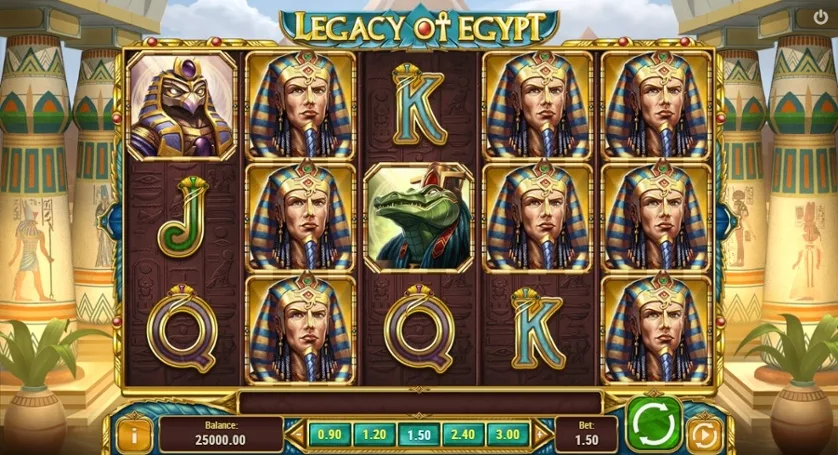
- RTP
- 95.02%
- Volatility
- HIGH
- Max win
- 5,000×
- Hit freq
- -
- Grid
- -
- Bet
- -
- Released
- 2020-01-01
A playable demo is not available in your region.
Our take
High-volatility Egyptian-themed slot featuring iconic deities and promising up to 5,000× stake through absorbing animations.
This Play'n GO title reimagines Ancient Egypt with prominent deity symbols: Sekhmet, Sobek, Anubis, Ra, King Tut, and Cleopatra. The game leverages absorbing animations and a suspenseful soundscape to immerse players in the mythological setting. While source coverage is limited, the slot targets players seeking both thematic depth and volatile gameplay. With a 95.02% RTP and high volatility, expect extended losing sessions punctuated by significant free spins runs or wild combinations. The maximum win potential of 5,000× indicates meaningful reward potential aligned with the high-volatility profile. Graphics prioritise animation quality over mechanical clarity, appealing to players who value presentation. The Egyptian pantheon—familiar to slot enthusiasts—provides recognisable theming without novelty gimmicks. However, specific mechanic details (wild behaviour, free spin count, multiplier application) are sparse in available sources.
Pros
- Egyptian deities provide recognised, high-value symbolism
- Absorbing animations and suspenseful soundscape create thematic immersion
- 5,000× max win aligns with high-volatility reward expectations
Cons
- Limited source data on specific mechanics
- High volatility demands patience and adequate bankroll
- 95.02% RTP is below modern standards
Math breakdown
- Volatility score
- 3 / 5
- Max win
- 5,000x the stake
FAQ
- What is the theme?
- Ancient Egypt. The slot features iconic Egyptian deities like Ra, Anubis, Cleopatra, and Sobek alongside period-appropriate visual styling.
- How volatile is this slot?
- High volatility. Winning sessions are infrequent but potentially reach 5,000×.
- Can I expect frequent bonuses?
- No. High volatility typically means bonuses are less frequent than medium-volatility counterparts.